If you are pregnant and frightened, here is exactly what happens.
If you are pregnant, have recently given birth, and feel you cannot safely care for your baby, you have options.
Safe Haven Laws provide a safe, legal way to surrender an unharmed infant to an approved Safe Haven provider. You do not have to make this decision alone.
This page explains what happens, step by step, and connects you directly to help in your state.
50
All 50 states have a Safe Haven Law, but each state's law is different. Age limits, approved Safe Haven locations, and other requirements vary by state.
Find my state's Safe Haven law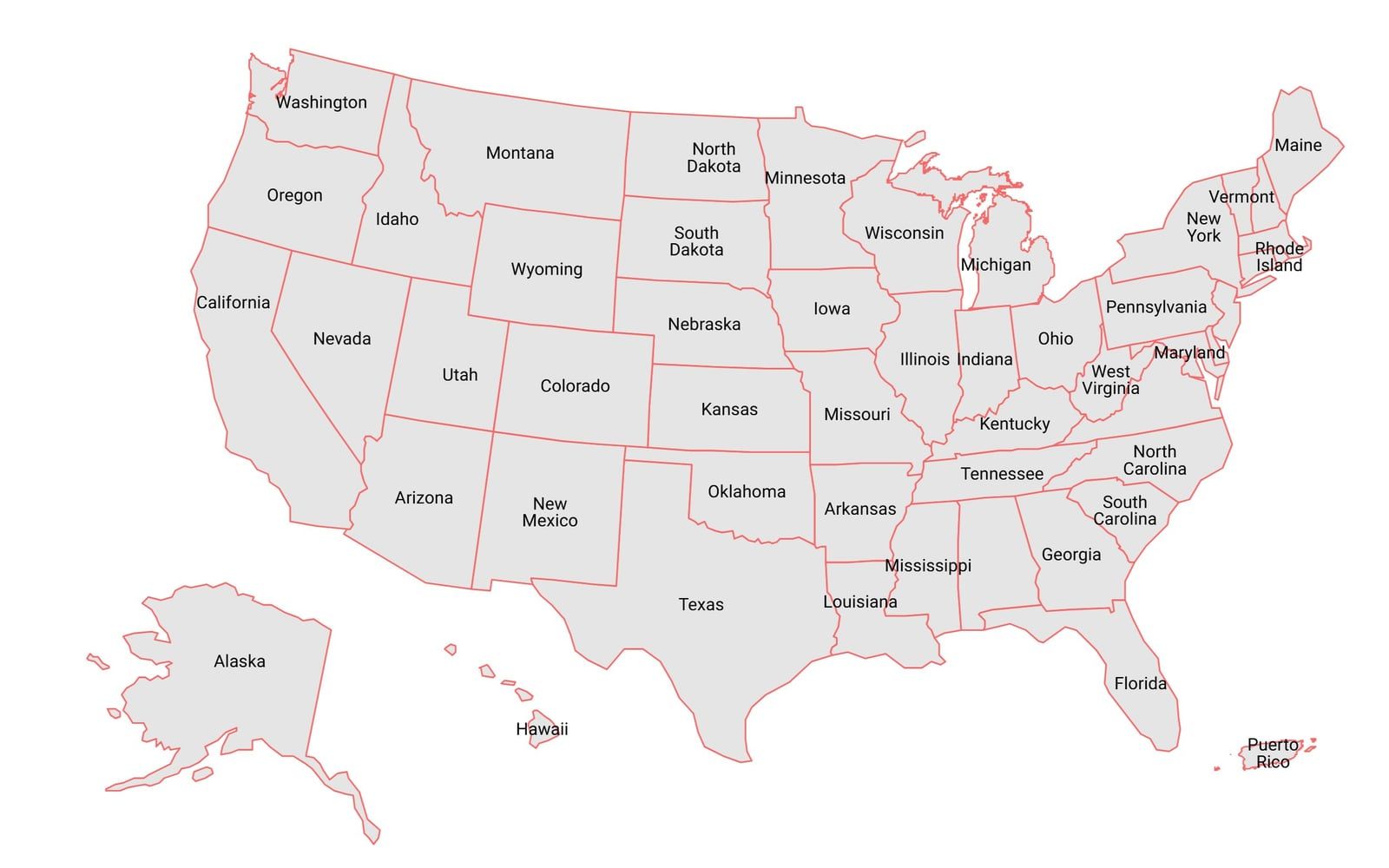
-
Where you can go
Every state has designated Safe Haven locations where an unharmed infant can be safely surrendered.
Hospitals are commonly designated Safe Havens. Depending on your state, other approved locations may include fire stations, police or law enforcement agencies, emergency medical services, and in some states, a staffed church or other designated provider.
You do not need to call ahead. You do not need an appointment. You can walk in and talk to staff.
Approved locations vary by state. Check the Safe Haven law in your state before choosing a location.
Find a Safe Haven near me -
Who you give the baby to
At a staffed Safe Haven location, give your baby directly to an authorized staff member, such as a nurse, firefighter, paramedic or other designated Safe Haven provider.
Do not leave your baby unattended. If you do not immediately see someone, keep your baby with you and ask for assistance.
Some states also allow an unharmed baby to be safely surrendered through an infant relinquishment device, also known as a “baby box or baby drawer.” Check your state's Safe Haven law to determine whether these options are legally permitted and available in your state.
-
What information you may be asked for
Safe Haven Laws are designed to protect the baby and provide a safe option for a parent in crisis.
In many states, a parent can remain anonymous. You may be offered a medical history form or asked for information that could help doctors care for your baby.
Providing medical information can be extremely helpful for your baby's future care, but requirements vary by state.
You do not have to explain or defend your decision in order to ask for help.
For information about exactly what applies where you live, check your state's law or contact the National Safe Haven Alliance.
-
What happens next for your baby
Your baby will be examined, cared for and kept safe.
What happens next depends on your state's law. The baby may enter the care of the state's child welfare system and be placed with a foster to adopt family, or may be placed through an approved adoption process.
From the moment your baby is safely surrendered, trained professionals take responsibility for your baby's care.
-
What happens next for you
If the requirements of your state's Safe Haven Law are met and the baby is unharmed, the law provides legal protections for the person making the surrender.
After the Safe Haven process is complete, you may leave.
If you later have questions about your rights or whether it is possible to seek custody of your child, contact the appropriate state agency or the National Safe Haven Alliance as soon as possible.
Those rules and timelines vary by state.
-
Know your state's age limit
Every state has its own Safe Haven Law, including a specific age limit for when an infant may be safely surrendered.
Those time limits vary significantly from state to state. It could be up to three days old, or 30 days old or more. Again, it varies by each state's law.
Do not guess.
Use the state map or contact the National Safe Haven Alliance to learn exactly what applies where you live. Check the Safe Haven law in your state.
Check my state's Safe Haven law
The most important things to know
-
Your baby must be unharmed.
-
Use an approved Safe Haven location or method in your state.
-
Follow your state's age limit.
-
Every state's law is different. Help is available 24/7.
Where to find your nearest Safe Haven
Every state has a Safe Haven Law, but the requirements are different.
The National Safe Haven Alliance provides state by state information about age limits, approved Safe Haven locations and other requirements.
Find a Safe Haven near youNot sure what to do? You do not have to figure it out alone.
The National Safe Haven Alliance Crisis Response Team is available 24 hours a day, seven days a week.
You can call or text before making any decision.
Call or text 1-888-510-BABY (2229)
24 hours a day · 7 days a week
Emergency? Call 911.
-
5,427+
Babies safely surrendered since 1999
-
43
Babies safely surrendered this year
-
1,360+
Callers helped on our Crisis Hotline in 2025
Every number represents a baby protected and a parent who learned there was a safe alternative.
Source: National Safe Haven Alliance.

Safe Haven PSA
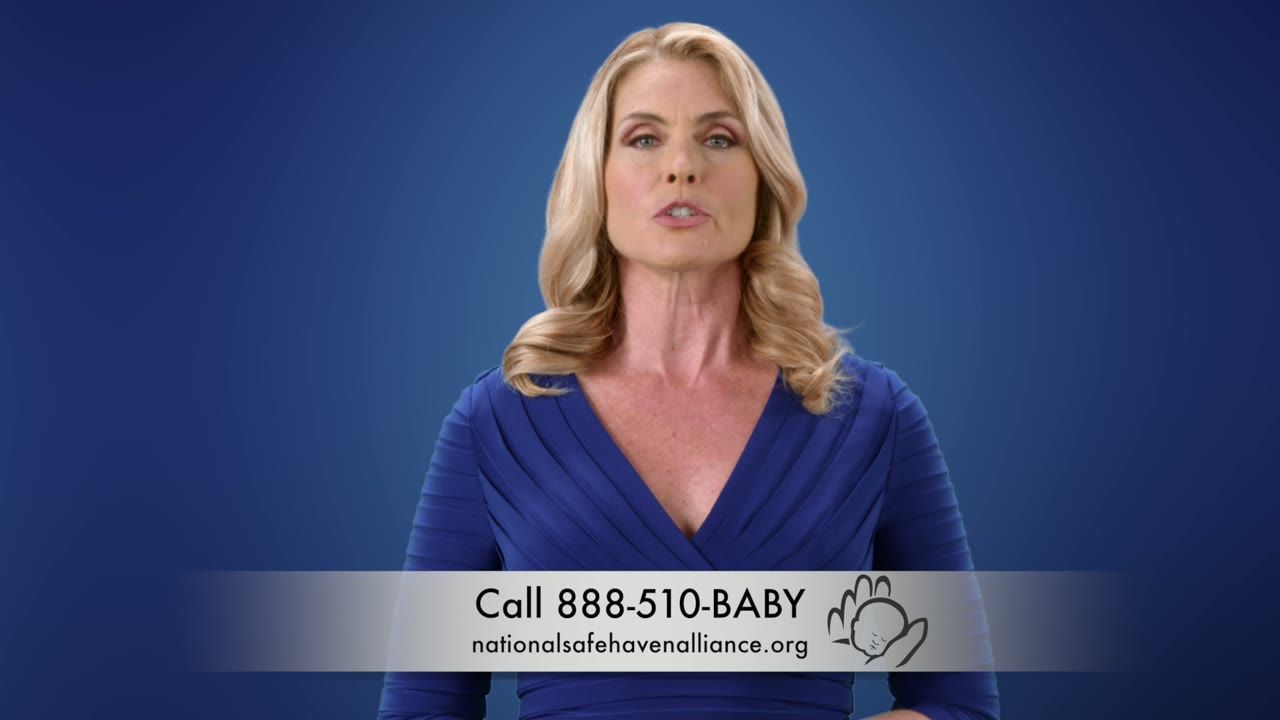
Proceeds from The Hungry Snake did more than promote the law nationally. They funded a Public Service Announcement featuring supermodel Kim Alexis, who volunteered her time, alongside Lillie and her classmates.
Are you a journalist covering a Safe Haven or infant abandonment story?
Suzanne Hobbs is available for media interviews and expert commentary on Safe Haven Laws, infant abandonment and Safe Haven awareness.
Visit the press page