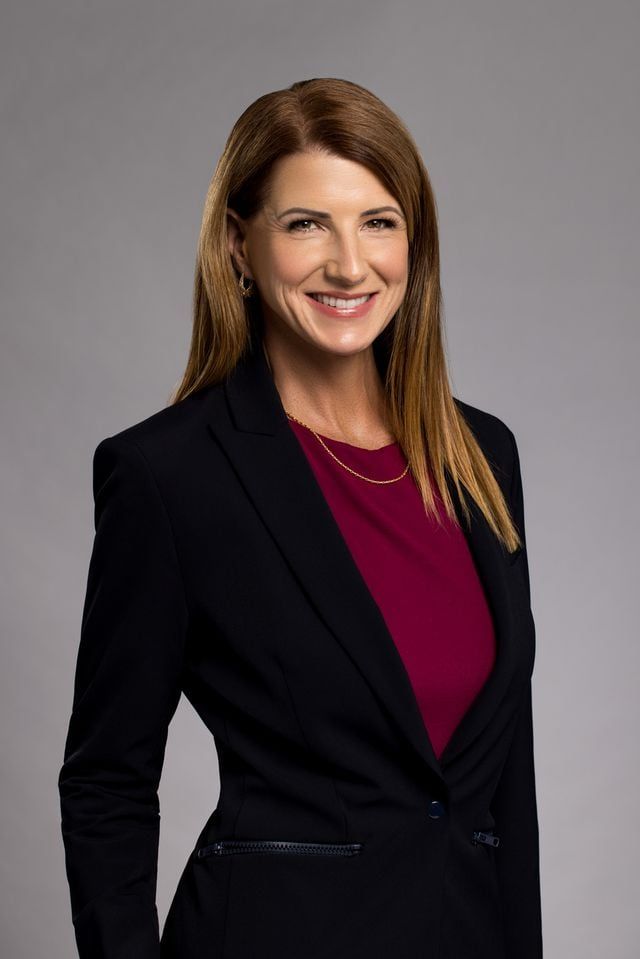
She reported the story. Then she went to work on the reason it happened.
Fourteen years in a newsroom, one story she could not put down, a law, and the daughter who came home because of it.
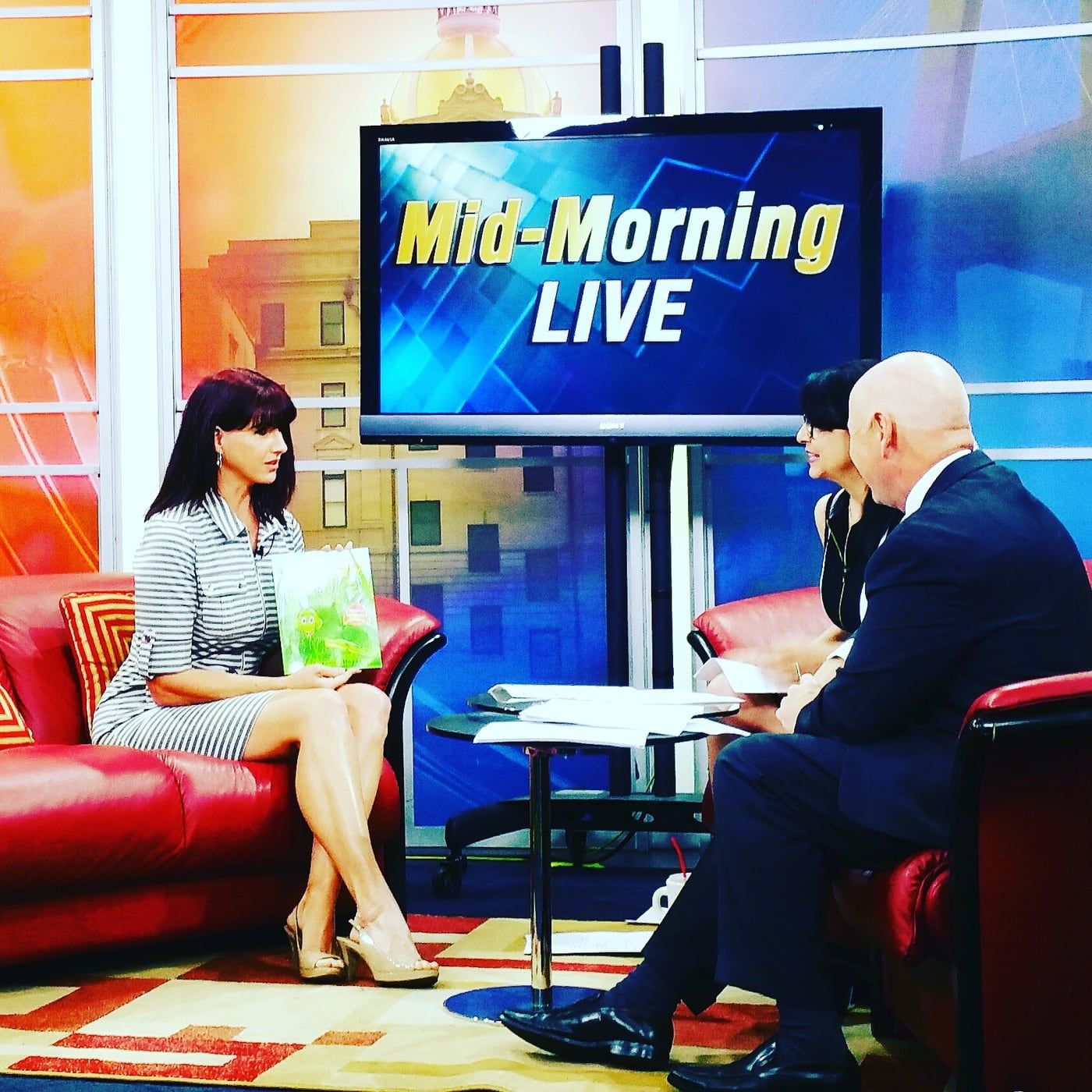
October 2000
In October 2000, Suzanne received a tip that a newborn baby had been found dead in a dumpster in Idaho Falls, Idaho. She reported the story and then she couldn't let it go.
What she found was that other states already had an answer. A Safe Haven law lets a parent hand a newborn to staff at a hospital or a fire station instead of leaving the baby somewhere unsafe, without being prosecuted for it. Idaho had no such law. A mother in Idaho in 2000 who could not keep her baby had no legal way to hand that baby to anybody.

The pen
Suzanne began researching Safe Haven laws already being enacted in other states and became determined to bring one to Idaho. She began advocating for legislation that would give parents in crisis a safe and legal option to surrender a newborn.
Just months later, Idaho's Safe Haven Law was signed into law.
At the signing, the Governor handed Suzanne the pen he had used to sign it.
Today, Safe Haven laws exist in all 50 states, although the details, including age limits, approved locations and other requirements, vary from state to state.

Two years later
After years of infertility and getting on the State of Idaho adoption list, Suzanne and her then-husband received a phone call in July 2003. A newborn girl needed a family.
That baby had been safely surrendered at a hospital under the law Suzanne had helped bring to Idaho two years earlier.
That baby is Lillie. She is 23 now.
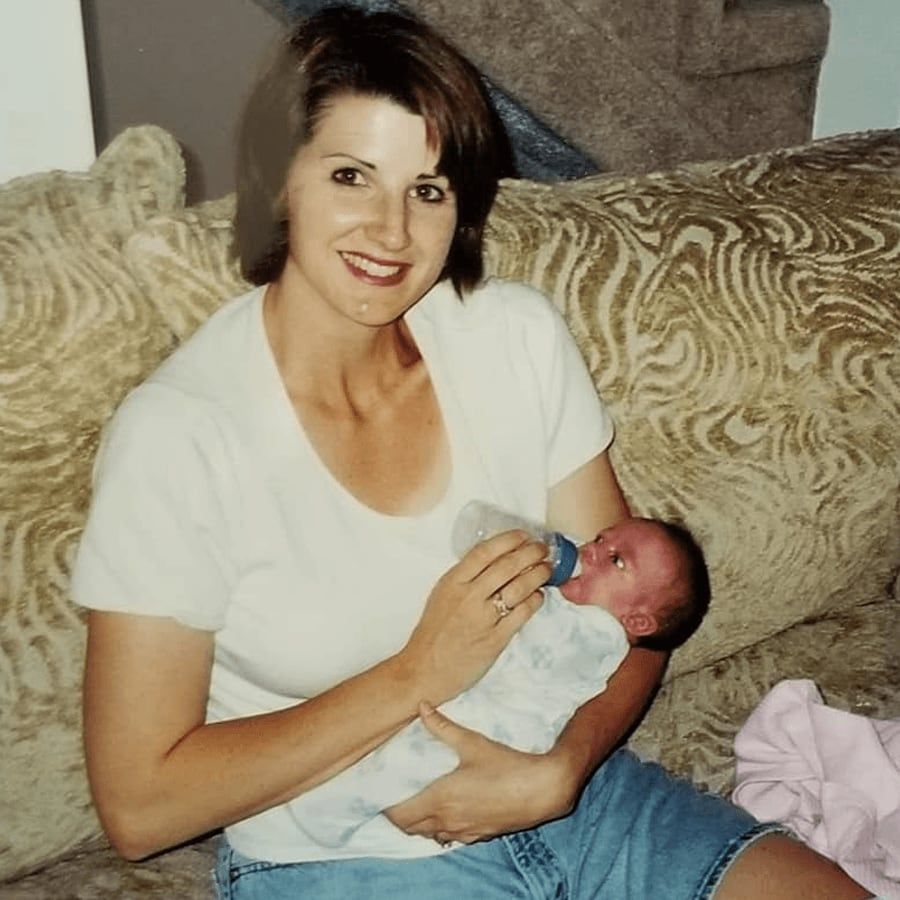
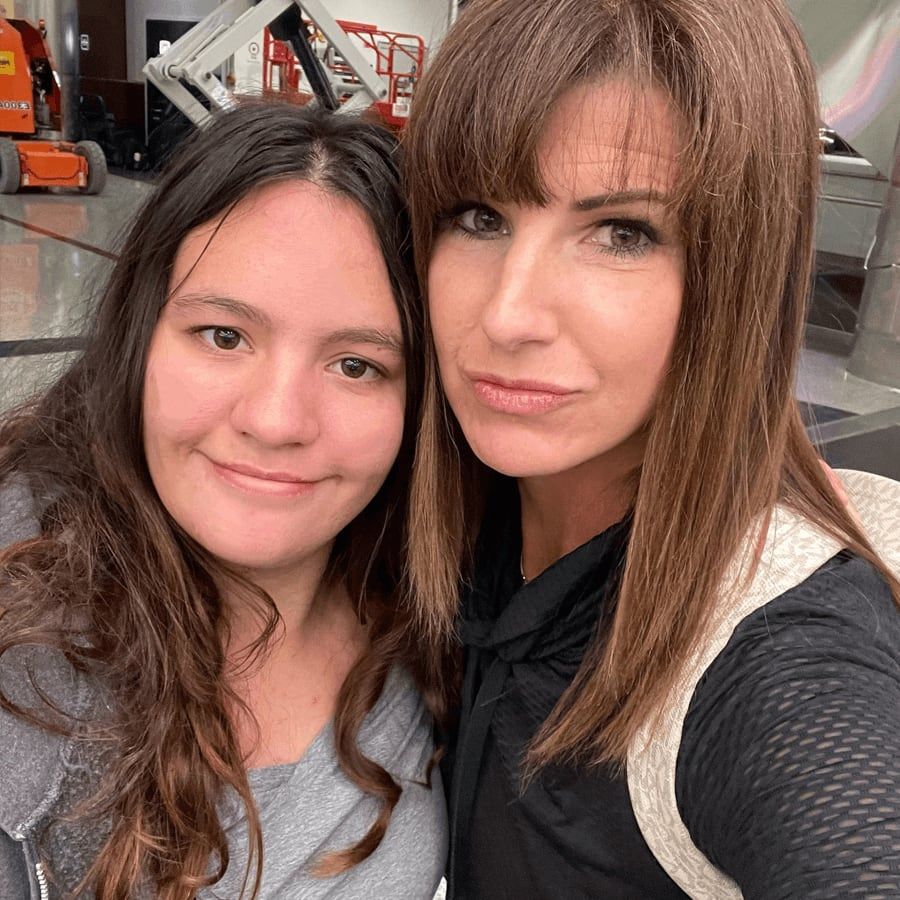
You reported the story. You advocated for the law. Two years later, that law brought your daughter into your life.

The first book
The Hungry Snake began as a bedtime story Suzanne made up for Lillie when she was young. Night after night, the story became a favorite, and years later Suzanne decided to turn it into a children's book.
The Hungry Snake went on to become an Amazon bestseller. Suzanne has used proceeds from the book to help support her continuing mission of raising awareness about Safe Haven laws.
Where the story travelled
It has run in Woman, The Platform, Leadership in Action and Pink. Two other authors have written about it: Jake Olson in Open Your Eyes, and Dr. Shellie Hipsky in Common Threads. Dr. Hipsky also named her one of the 100 Most Inspiring Women in the World.
Suzanne is Director of Media Relations for the National Safe Haven Alliance, continuing the advocacy work that began more than 25 years ago with one news story in Idaho.
She speaks to audiences about Safe Haven laws, the power one person can have to create change, and the remarkable way that one story ultimately changed the course of her own life.
Suzanne is also a bestselling children's author. Her second children's book, The Sleepy Snake: A Perfect Bedtime Story, is out October 1, 2026.